
Did You Know? Your Backyard Can Help Fix Iowa’s Water Quality

When most people think about water pollution in Iowa, they picture big farms not their own backyard.
And they’re not wrong…
Agriculture is the largest contributor to water pollution in Iowa, with runoff from fertilizers, manure, and soil erosion being the leading cause of impaired rivers and lakes.
In fact, studies show:
Around 80–92% of nitrogen and phosphorus pollution in Iowa comes from nonpoint sources primarily agriculture.
Agriculture is the leading cause of water quality impacts in U.S. rivers and streams.
But here’s the part most people don’t realize…
Urban areas including our lawns, driveways, and neighborhoods still contribute a meaningful share of pollution:
About 10% of nutrient pollution comes from urban stormwater and wastewater.
And industrial sources, while more regulated, still release large quantities of pollutants each year.
Here’s Why This Matters
Even though agriculture makes up the largest portion…water quality is a watershed issue meaning everything that rain touches matters.

That includes:
Your lawn fertilizer
Grass clippings in the street
Hard surfaces like patios and driveways
Poor drainage around your home
When it rains, all of that flows into storm drains… and eventually into our rivers.
So while farms are a big piece of the puzzle…
Thousands of small residential properties working together can create real change.
That’s exactly why programs exist to help homeowners be part of the solution.
The good news?
There are simple, affordable ways you can make a difference for Iowa water and even get paid to do it.
How You Can Help Iowa Water Quality (Right From Home)
Small changes to your landscaping can have a BIG impact on water quality. Here are a few of the most effective options:

1. Rain Gardens
Rain gardens are shallow, planted areas designed to collect and filter rainwater.
Instead of water running off your yard, a rain garden:
Slows it down
Filters out pollutants
Allows water to soak into the ground
Great for: Homes with drainage issues or downspout runoff
2. Native Landscaping
Replacing traditional turf with native plants helps:
Reduce the need for fertilizers
Improve soil health
Increase water absorption
Native plants have deep root systems that naturally filter water before it reaches our waterways.
Bonus: Less maintenance and watering over time
3. Permeable Pavers
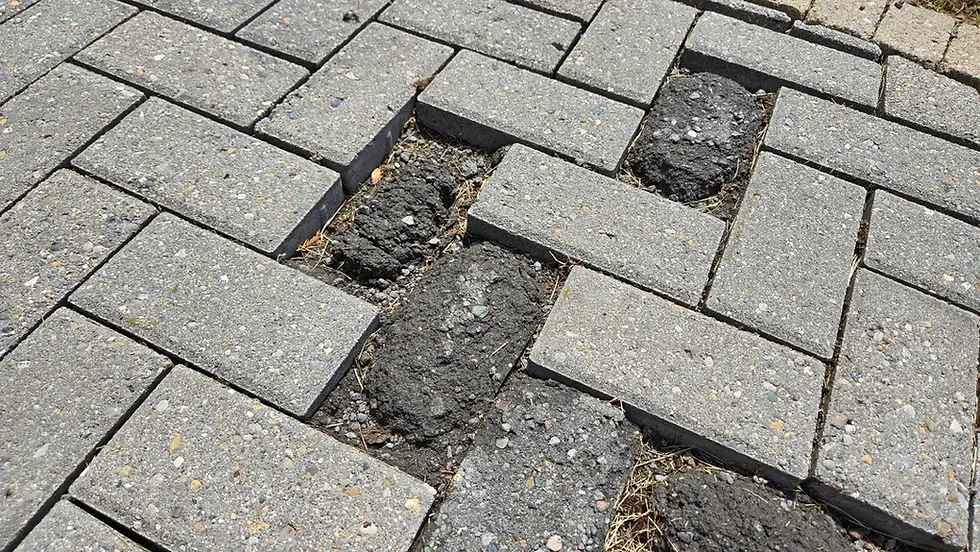
Unlike traditional concrete, permeable pavers allow water to pass through the surface instead of running off.

This helps:
Reduce standing water
Prevent erosion
Improve drainage around patios and driveways
Perfect for: Patios, walkways, and driveways
4. Soil Restoration (Healthier Lawns = Cleaner Water)
Compacted soil doesn’t absorb water well causing runoff.
Simple practices like:
Core aeration
Adding compost
…can drastically improve how your yard handles rainwater.
5.

Swales are shallow channels that guide water across your property in a controlled way.
They:
Prevent flooding
Reduce erosion
Help water soak into the ground naturally
Did You Know? You Can Get PAID to Do This
Through the Scott County Soil & Water Conservation Programs, homeowners and businesses can receive financial assistance for installing these types of projects.
Here’s how it works:
Urban Cost Share Program

Covers 50% of your project cost (up to $2,000)
Available to homeowners and businesses in Scott County
First-come, first-served funding
What Projects Qualify?
You may qualify for funding if your project includes:
Rain gardens
Native plantings
Permeable paving
Bio-retention swales
Soil quality restoration
To qualify, your project must:
Improve water quality
Manage stormwater on-site (about 75% of runoff)
Why This Matters (Especially in Iowa)
Iowa continues to face major water quality challenges due to:
Nutrient runoff
Soil erosion
Stormwater pollution
And because most pollution comes from runoff across land (not just pipes or factories), improvement takes effort from everyone not just large operations.
Programs like these exist because small changes across thousands of properties create a massive impact helping protect our local waterways and drinking water for future generations.
Thinking About Upgrading Your Landscape?
At Beautiful Exteriors, we design outdoor spaces that don’t just look great they work with nature, not against it.
Whether you're interested in:
A permeable paver patio
Native planting beds
Drainage solutions
Or a full backyard transformation
We can help design a project that may qualify for cost-share funding and improve your property at the same time.
Get a free estimate today and let’s build something beautiful and better for Iowa.


Comments